Mario Kart 8 Deluxe's Booster Course Pass: A Grand Tour of Classic Tracks in 2026
Mario Kart 8 Deluxe Booster Course Pass delivers thrilling nostalgia and excitement with 48 remastered tracks, redefining the game's longevity.
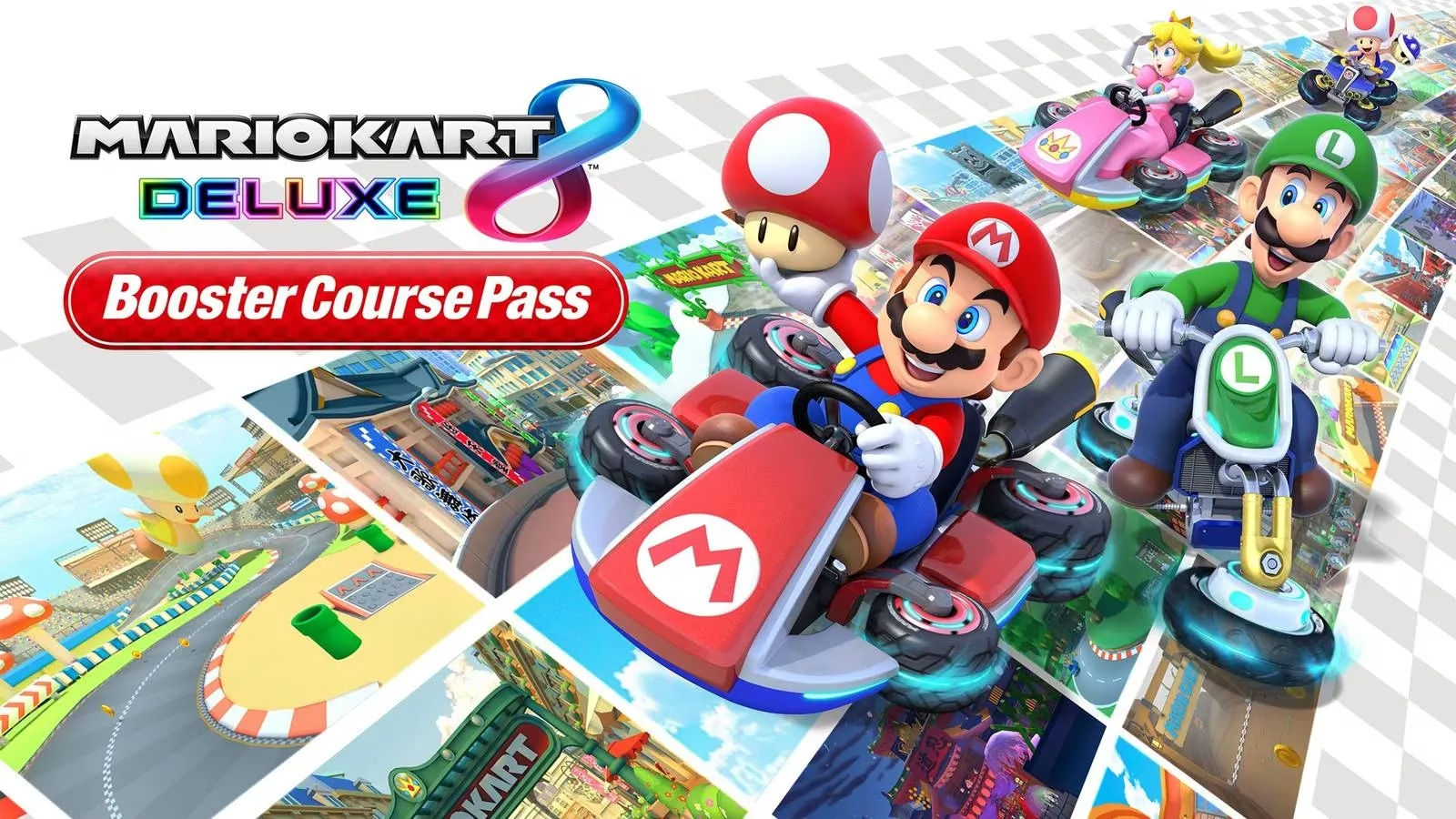
The announcement of the Booster Course Pass for Mario Kart 8 Deluxe in early 2022 sent waves of excitement through the gaming community. The promise was grand: a total of 48 remastered courses, delivered in six carefully curated waves throughout 2023, would breathe new life into the beloved racing title. As we look back from 2026, that promise was not just fulfilled; it transformed the game into a living museum of Mario Kart history. The journey began with the first wave of eight classic tracks, a carefully selected appetizer that set the tone for the entire expansion. This initial drop proved that Nintendo understood the assignment: to deliver nostalgia while ensuring every lap felt fresh and thrilling. What made this DLC strategy so successful, and how did it redefine the game's longevity?
The Grand Unveiling: Wave One's Arrival
The first wave of the Booster Course Pass arrived on Friday, March 18th, 2022, at 4 PM PDT. For players around the globe, this wasn't just an update; it was an event. The strategy of releasing content in waves created a sustained sense of anticipation and community discussion that lasted for over a year. Each wave became a quarterly celebration. But what exactly did players get when they booted up the game on that March evening? They were granted access to two new cups, each containing four meticulously remastered tracks from Mario Kart's rich history.
A Tour Through the Golden Dash Cup
The first cup, the Golden Dash Cup, served as a perfect introduction to the DLC's philosophy. It was a blend of the new and the nostalgically familiar.
-
Paris Promenade (from Mario Kart Tour): This track brought the mobile game's city-based design philosophy to the console. With its wide avenues and iconic landmarks, it offered a scenic and strategic drive. Was this a sign that the DLC would bridge the gap between all Mario Kart eras?
-
Toad Circuit (from Mario Kart 7): A simple, beginner-friendly track from the 3DS era, now rendered in the stunning HD visuals of the Switch. Its return was a reminder of the series' accessible roots.
-
Choco Mountain (from Mario Kart 64): Ah, the nostalgia! This N64 classic, with its perilous cliffside turns and falling rocks, was reimagined with modern graphics that made the chocolatey cliffs look good enough to eat. The tight, technical sections tested veterans' skills.
-
Coconut Mall (from Mario Kart Wii): An instant fan favorite. The chaotic energy of navigating through a shopping mall, avoiding cars, and hearing that iconic theme music in high fidelity was a pure joy. Its inclusion was a masterstroke, guaranteeing immediate player engagement.
This cup demonstrated the DLC's scope: it wasn't afraid to pull from handheld titles, console classics, and even the mobile game to create a diverse racing experience.
Adventures in the Lucky Cat Cup
If the Golden Dash Cup was a welcoming handshake, the Lucky Cat Cup was where the DLC started to show its unique personality and challenge.
-
Tokyo Blur (from Mario Kart Tour): Another city track, this time featuring a day-to-night transition that was visually spectacular on the Switch. It showcased how the DLC could enhance concepts originally designed for smaller screens.
-
Shroom Ridge (from Mario Kart 7): A highway track filled with traffic, demanding precise driving and clever use of items to navigate the busy roads. It added a layer of unpredictable environmental hazard.
-
Sky Garden (from Mario Kart: Super Circuit): This was a deep cut! Bringing a track from the Game Boy Advance title into 3D was a treat for long-time fans. The floating gardens and narrow pathways required a delicate touch.
-
Ninja Hideaway (from Mario Kart Tour): The crown jewel of the first wave. This entirely original track from Tour was a multi-level, labyrinthine masterpiece filled with secrets, alternate paths, and stunning Japanese-inspired architecture. It wasn't just a retro remake; it was a bold statement that the Booster Course Pass would include groundbreaking new experiences.
The Legacy of the First Wave in 2026
From our 2026 perspective, the brilliance of the first wave is even clearer. It wasn't a random assortment of tracks; it was a carefully crafted thesis statement for the entire Booster Course Pass. It established key principles that would define the subsequent waves:
-
Eclectic Sourcing: Tracks would be drawn from every corner of the franchise, from Super Circuit to Tour.
-
Visual Fidelity: Each track would receive a significant graphical glow-up, making old favorites feel brand new.
-
Gameplay Diversity: Each wave would balance simple circuits, technical challenges, and visually inventive courses.
-
Community Building: The staggered release schedule kept the game in the conversation, with players eagerly speculating about the next wave's contents.
The first wave's eight tracks laid a flawless foundation. Coconut Mall and Ninja Hideaway became instant online staples, while the return of Choco Mountain and Sky Garden warmed the hearts of veteran players. It proved that Nintendo could successfully monetize nostalgia while delivering substantial, quality content. The Booster Course Pass, starting with this confident first step, ultimately ensured that Mario Kart 8 Deluxe remained not just a top-selling Switch game, but a vibrant and ever-evolving platform for racing fun well into the current year. The question it posed in 2022—"Can old tracks feel new again?"—was answered with a resounding yes, setting a high bar for live-service content in the racing genre.